Septic System Care Tips
Septic System Care TipsSimple habits that protect your system and save money
JS Construction and Septic Inc. understands that maintaining a septic system can feel overwhelming, especially if you’re not sure what truly matters and what doesn’t. The good news is that keeping your system healthy doesn’t require complicated steps, just consistent care and a few smart habits.
The tips below are designed to help extend the life of your septic system, reduce spectic system maintenance costs, and protect local water quality. These topics work especially well as expandable accordion sections, making them easy to reference without cluttering the page.
Routine Maintenance MattersSmall steps that prevent big problems
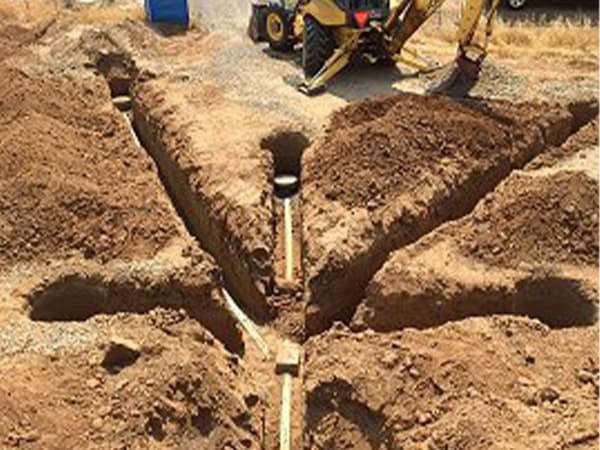
Regular septic pumping and septic system inspections are the foundation of a healthy septic system. Most septic systems should be serviced every three to five years to prevent sludge buildup and clogged drain lines. Keeping records of septic system inspections, pumping, and repairs also helps identify patterns and catch issues early.
Knowing where your septic tank and drain field are located is equally important. This prevents accidental damage during landscaping or construction and helps ensure proper access for service.
Be Mindful of What Goes Down the DrainProtecting the bacteria your septic system relies on
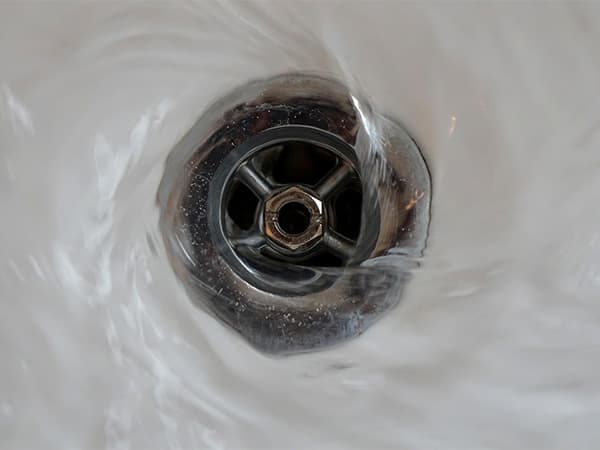
Septic systems depend on natural bacteria to break down waste. Introducing harsh chemicals can disrupt this balance and cause long-term damage. Household cleaners, bleach, and disinfectants should be used sparingly and according to label instructions.
Hazardous materials such as paint thinners, solvents, pesticides, antifreeze, and oils should never enter the septic system. These items should be taken to a hazardous waste collection facility instead.
Landscaping and Water Use Make a DifferenceManaging roots, runoff, and excess water
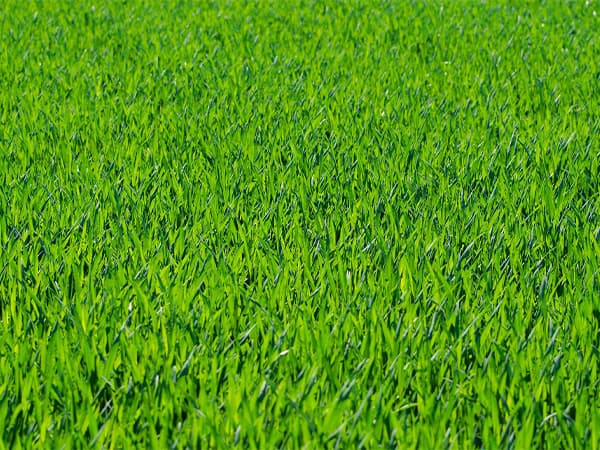
Grass is the safest option above septic systems and drain fields. Trees and shrubs can send roots into pipes and leaching systems, leading to blockages and costly repairs. Water-smart landscaping also helps limit excess runoff that can overload the drain field.
Inside the home, water conservation plays a major role in the septic system health. Installing water-efficient fixtures and repairing leaks quickly helps prevent overloading. Spreading out laundry loads rather than running multiple back-to-back cycles gives the system time to recover.
Roof drains, sump pumps, and surface runoff should always be directed away from the septic system to avoid saturation and failure.
Common Mistakes to AvoidIssues that shorten system lifespan
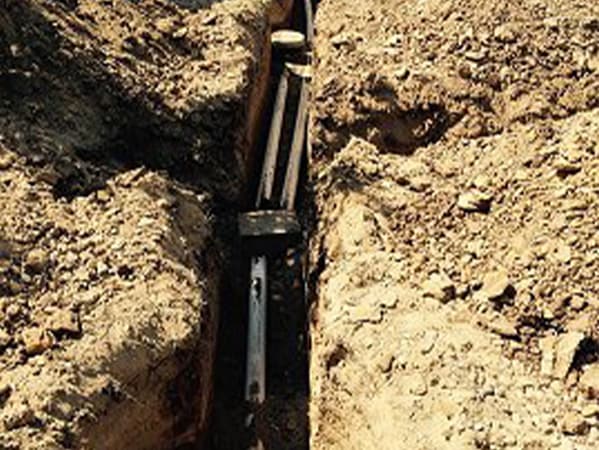
Non-biodegradable items such as wipes, feminine products, diapers, grease, and cigarette butts can quickly clog or damage a septic system. Even food waste can reduce septic system capacity, especially when garbage disposals are heavily used.
Tree planting too close to the septic system, excessive water use, and unlicensed repairs are also frequent contributors to septic failure. Any work involving pumping or repairs should always be handled by licensed professionals.
Troubleshooting Early Warning SignsUnderstanding what may be causing septic system problems
Septic issues often stem from factors that aren’t visible at the surface. Poor drainage, improper installation, outdated plumbing, root intrusion, water softener discharge, or system overloading can all contribute to failure. When multiple stressors combine, systems may struggle even if they’ve been maintained.
If something doesn’t seem right, it’s best to investigate sooner rather than later. Early evaluation can often prevent more serious damage and avoid emergency situations.